

Beyond Perks: The Strategic Architecture of Modern Employee Engagement
ENSCONCE Business Process Consulting · Dec 17, 2025 · 5 min read
There is a quiet crisis happening in the modern workforce, and it has nothing to do with the coffee machine or the office floor plan.
For years, organizations have operated under a costly misconception: that employee engagement is synonymous with employee happiness. The logic was simple—if we provide enough perks, conduct enough surveys, and offer enough flexibility, productivity will naturally follow.
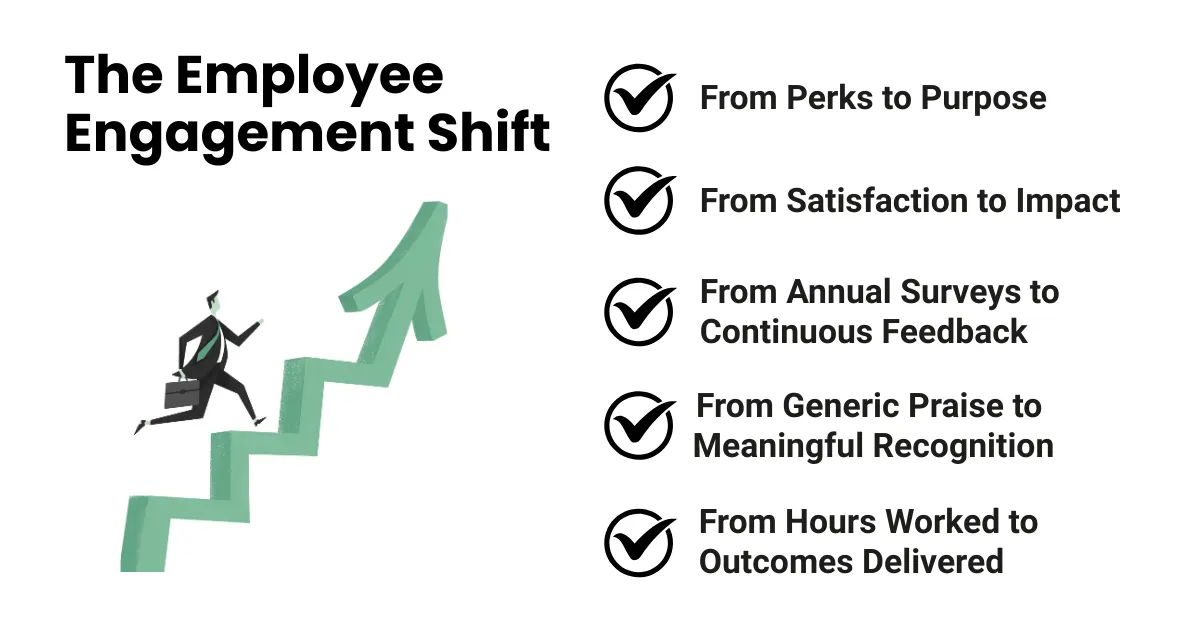
Yet, the data tells a different story. Despite record spending on engagement platforms and well-being initiatives, global workforce detachment remains stubbornly high. The 'Perk Era' is ending, and we are entering the 'Purpose Era.' Modern engagement isn't a mood to be managed; it is a mechanic of business performance.
At Ensconce, we have analyzed the shifting dynamics of the workplace. The difference between organizations that merely survive attrition and those that thrive on retention comes down to a single, critical shift: treating engagement not as an HR checklist, but as a strategic operating system. Here is how forward-thinking leaders are rebuilding the engagement architecture from the ground up.
1. The Productivity Paradox: Why "Satisfaction" Isn't Enough
Most leaders assume a satisfied employee is a productive one. But satisfaction is passive. Engagement is active. A satisfied employee shows up and does the job. An engaged employee improves the job.
Research consistently indicates that the link between engagement and organizational performance is undeniable. Highly engaged teams show significantly lower turnover rates and higher profitability. The modern strategy focuses on removing friction: does this employee have the autonomy to solve problems, and do they see the connection between their daily output and the company’s three‑year goals? When you solve for autonomy and impact, you don't just get retention; you get momentum.
2. The Feedback Loop: Bridging the "Say-Do" Gap
Data without action is just noise. One of the most common pitfalls in modern HR is 'Survey Fatigue.' Companies deploy annual or quarterly engagement surveys, gather thousands of data points, and then take months to analyze them. By the time an initiative is rolled out, the sentiment has shifted, or worse, the employee who gave the feedback has already left.
To foster a culture of genuine trust and transparency, the feedback loop must be tightened. Leading organizations are moving toward 'pulse' strategies—short, frequent, and specific check‑ins that allow for real‑time course correction. But the tool is less important than the response. The Golden Rule of Feedback: never ask a question you aren't prepared to act on. When leadership aligns its actions with employee feedback, it signals psychological safety and transforms the survey from a report card into a dialogue.
3. Gamification and The Recognition Economy
Once the foundation of trust is established, sustaining energy is about meaningful recognition and visualizing progress. Gamification isn't about trivializing work — it's about making progress visible and reinforcing the behaviors that matter.
- Visualizing Progress: Clear milestones and progress bars help employees see how close they are to a goal, triggering motivation associated with achievement.
- The Specificity of Reward: 'Good job' is weak; 'Great job navigating that client objection using the new data set' is a powerful reinforcement.
4. The Human Element: Work-Life Balance as a Performance Metric
Burnout is the enemy of engagement. You cannot engage an exhausted mind. Modern strategies involve proactive workload management and normalizing 'unplugged' time as leadership behavior. Shift the focus from 'hours worked' to 'outcomes delivered' to build deep loyalty.
5. The Future State: Continuous Evolution
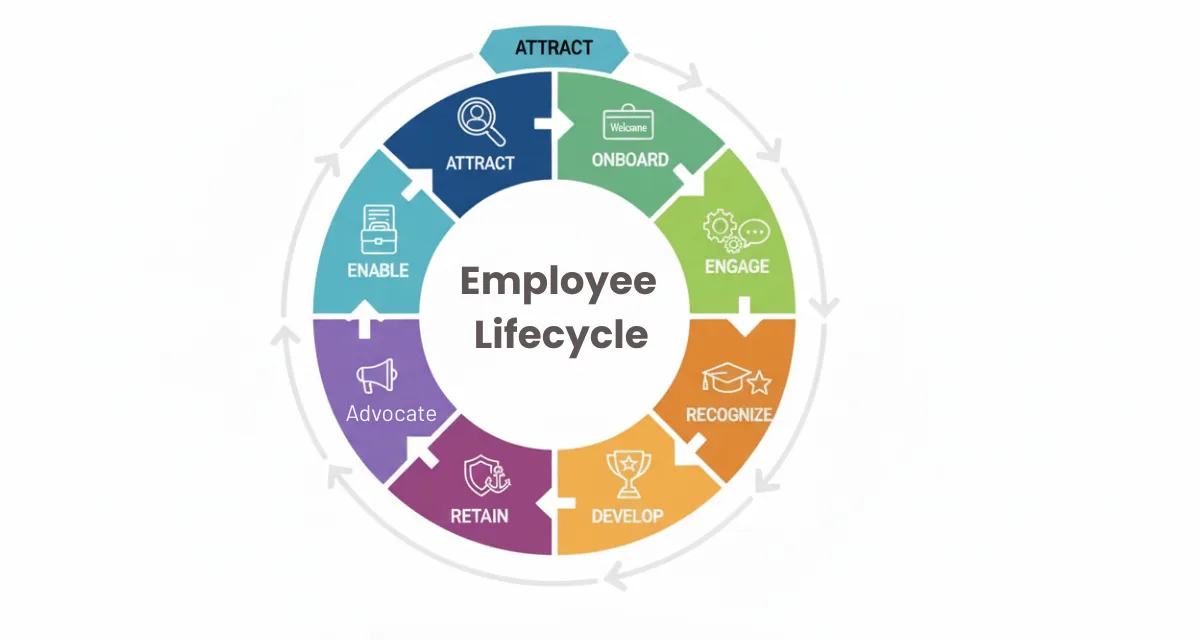
Engagement is not a project with a start and end date — it is a continuous narrative. Companies winning the talent war use data and analytics to track program effectiveness in real time, focusing on leading indicators such as participation in upskilling and peer recognition volume.
Conclusion: The Leadership Imperative
Modern employee engagement is not about buying happier employees; it is about building a system where productivity is fueled by purpose, where feedback results in action, and where the human needs of the workforce are aligned with the strategic needs of the business. It requires leadership alignment, transparency, and the discipline to measure what matters.
At Ensconce, we help organizations build the answers.
👉 Join forces with Ensconce to redesign employee engagement as a strategic operating system. Get a free consultation today.